Health and Safety Policy for Landscaping Woodgreen
 This health and safety policy for landscaping sets out the standards and responsibilities required to protect employees, contractors, clients, visitors, and members of the public during all landscaping activities. The aim is to create a safe working environment by identifying risks early, applying practical controls, and encouraging a culture where safety is everyone’s responsibility. Landscaping work can involve heavy equipment, sharp tools, uneven ground, adverse weather, and manual handling, so careful planning and consistent supervision are essential.
Our approach is based on clear communication, suitable training, and the use of proper equipment. Every task, from planting and turfing to maintenance and site clearance, must be carried out with due regard for health and safety. This includes selecting safe working methods, maintaining equipment in good condition, and ensuring that all workers understand the hazards associated with the job. Prevention is always preferred over reaction, and risks must be assessed before work begins.
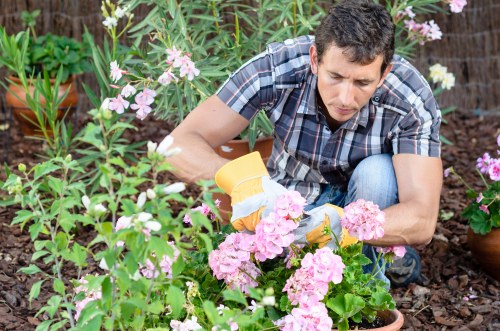 All personnel are expected to follow safe systems of work and to raise concerns without delay. Any unsafe condition, defective tool, or incident must be reported and addressed promptly. The company will review this policy regularly to keep it effective, relevant, and aligned with best practice. By maintaining high standards, landscaping operations can be carried out efficiently while reducing the likelihood of injury, illness, or damage.
Responsibilities and General Duties
Management is responsible for providing the resources, supervision, and procedures necessary to maintain safe working conditions. This includes ensuring that equipment is suitable for the task, risk assessments are completed, and workers are trained to carry out their duties safely. Supervisors must monitor working practices, correct unsafe behaviour, and stop work if conditions become dangerous. Effective leadership is a key part of any safe landscaping operation.
Employees and contractors must take reasonable care of their own health and safety, as well as the safety of others who may be affected by their actions. They must use tools correctly, wear required protective equipment, and follow instructions given for each task. No one should operate machinery unless authorised and competent to do so. It is also important to avoid distractions, fatigue, and shortcuts that could increase the risk of accidents.
 The company recognises that landscaping environments change constantly. Ground conditions, slopes, traffic movement, access routes, and weather can all affect safe working arrangements. Therefore, each site must be checked before work begins, and controls updated whenever conditions change. This flexible approach helps ensure that the landscaping health and safety policy remains practical and effective in real working situations.
Risk Control and Safe Working Practices
Risk assessments must be completed for tasks that may expose workers or others to harm. Common hazards in landscaping include slips, trips, and falls; contact with moving machinery; flying debris; noise; vibration; manual handling injuries; and exposure to chemicals or dust. Controls may include barrier zones, safe access routes, task rotation, guarding, careful storage of materials, and the use of personal protective equipment. Where possible, risks should be eliminated before lesser controls are considered.
Plant and machinery must be inspected before use and maintained according to manufacturer requirements. Faulty equipment must be taken out of service immediately. Workers should only use tools that are appropriate for the task and in good condition. Particular care is needed when using mowers, strimmers, hedge cutters, diggers, compactors, or other powered equipment. Safe start-up, shutdown, and cleaning procedures must always be followed, and guards must never be removed or bypassed.
Manual handling is another important issue in landscaping. Materials such as soil, paving, timber, plants, and waste can be heavy or awkward to move. Workers should assess loads before lifting, use mechanical aids where suitable, and ask for assistance when needed. Repetitive movements and sustained postures should also be managed through planning, breaks, and task variation. Good handling techniques reduce strain and help prevent musculoskeletal injuries.
Health Protection and Site Safety
Working outdoors can expose staff to sun, cold, wet conditions, and dehydration. Appropriate clothing, rest breaks, drinking water, and weather-aware scheduling help reduce these risks. In hot weather, workers should be protected from overexposure, while in cold or wet conditions, suitable layers and rest arrangements should be provided. Where tasks involve dust, chemicals, or biological material, additional controls must be in place to protect breathing, skin, and eyes.
Hazardous substances, including fuels, fertilisers, pesticides, and cleaning agents, must be stored securely and used strictly in accordance with instructions. Workers should understand the correct handling, mixing, application, and disposal methods. Spill kits and cleaning materials should be available where necessary, and contaminated waste must be disposed of responsibly. Clear labelling, safe storage, and training are essential to reduce exposure and prevent accidental misuse.
Traffic management is also critical on landscaping sites, especially where vehicles, plant, or the public may be present. Movement of machinery and reversing operations must be controlled using banksmen, exclusion zones, signage, and agreed routes. Pedestrian access should be separated wherever possible. If a site becomes unsafe due to poor visibility, unstable ground, or unexpected hazards, work must pause until conditions improve.
Training, Reporting, and Review
 Training helps ensure that everyone understands the risks associated with landscaping work and knows how to work safely. Induction, task-specific instruction, refresher training, and supervision all play an important role. Workers should be competent in the use of tools and machinery assigned to them, and additional support should be given when new processes or equipment are introduced. A strong training culture supports both quality and safety.
Accidents, near misses, and unsafe conditions must be reported immediately so they can be investigated and prevented from happening again. Prompt reporting allows the company to identify trends, improve procedures, and strengthen controls. First aid arrangements should be in place on every relevant site, and emergency procedures must be understood by all staff. Learning from incidents is central to continuous improvement.
 This policy will be reviewed regularly to ensure it remains suitable for the nature of the work carried out. Changes in methods, equipment, workforce size, or site conditions may require updates to procedures and training. By working together and following this policy, Landscaping Woodgreen can deliver high-quality landscaping services while maintaining a safe, healthy, and responsible working environment for everyone involved.