Complaints Procedure for Landscaping Woodgreen
 A clear complaints procedure for landscaping Woodgreen helps ensure that any concern is handled fairly, calmly, and efficiently. When a project involves outdoor work, multiple materials, and changing site conditions, misunderstandings can sometimes arise. A well-structured process gives everyone a reliable way to raise issues, explain what went wrong, and find a practical resolution.
The purpose of this policy is to make the handling of concerns transparent and consistent. Whether the matter relates to workmanship, timing, communication, site conduct, or the condition left behind after work is completed, each complaint should be assessed on its own merits. A professional landscaping complaints process should focus on facts, documentation, and a respectful tone at every stage.
In many cases, issues can be resolved quickly once they are clearly described. For this reason, the process should encourage the complainant to provide relevant details such as the date of the work, the area affected, and the outcome they expected. A good landscaping Woodgreen complaint policy avoids confusion by defining how a concern is recorded, reviewed, and responded to.
How a Complaint Should Be Raised
When someone wishes to make a complaint, the first step is to describe the issue as clearly as possible. This might include the type of service involved, the part of the garden or outdoor area affected, and any visible signs of the problem. A concise explanation helps the complaint be reviewed without unnecessary delay and ensures the right person assesses it.
It is also helpful to include any supporting information that may clarify the situation. Photographs, dates, notes from site visits, or details of agreed specifications can all be relevant. In a landscaping service complaints procedure, the emphasis should be on gathering accurate information before conclusions are drawn. This helps distinguish between genuine defects, normal settling, weather-related changes, and work that may need attention.
 Once a complaint is received, it should be acknowledged promptly and treated with professionalism. A calm response reassures the complainant that the matter is being considered properly. The initial reply should confirm that the issue has been noted, explain the next steps, and outline the expected timeframe for review. This keeps the process organised and avoids uncertainty.
Review and Investigation Process
The complaint should then be reviewed by someone with the appropriate knowledge of landscaping work. This may involve checking the original scope of work, comparing the finished result to agreed standards, and considering site conditions at the time of completion. A fair landscaping complaint handling process should be based on evidence rather than assumptions.
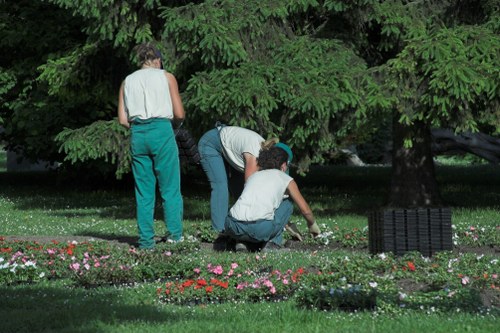 In some situations, a site inspection may be necessary to understand the problem properly. The reviewer may need to inspect paving, turf, planting, drainage, edging, or other features that are part of the project. The aim is to determine whether the issue is due to workmanship, design interpretation, natural wear, or an external factor beyond direct control. This careful assessment supports a just outcome.
Where a complaint is upheld, the response should be proportionate to the issue identified. Possible outcomes may include correction of the work, replacement of affected materials, adjustment of a detail, or another practical solution. A strong Woodgreen landscaping complaints procedure should make it clear that the aim is to resolve concerns fairly while maintaining the integrity of the overall project.
Response Standards and Resolution
Communication during the review stage should remain courteous and precise. If more time is needed to investigate, the complainant should be informed of the delay and given a revised timeframe. A reliable landscaping dispute process should never leave a concern unexplained for long periods, as this can increase frustration and reduce confidence in the handling of the issue.
When a resolution is offered, it should be explained in plain language. The response should set out what has been found, whether the complaint is upheld, and what action will follow. If the complaint is not upheld, the reasons should still be set out clearly so the decision can be understood. This approach keeps the process open, fair, and professional.
There may be cases where the initial resolution does not fully satisfy the complainant. If so, the matter should be reviewed again by a more senior person or by someone who was not involved in the original assessment. This secondary review helps ensure impartiality and shows that concerns are not dismissed without proper consideration.
Principles of a Fair Complaints Policy
Any complaints procedure for landscaping Woodgreen should be built on a few key principles. These include fairness, consistency, transparency, and respect. Each complaint should be assessed against the same standards, while still recognising that every project is unique. A thoughtful process helps protect both the person raising the issue and the quality of the service provided.
The policy should also be practical. It should avoid unnecessary complexity and focus on straightforward steps that are easy to follow. In outdoor services, conditions can change because of weather, seasons, and the natural behaviour of materials. A balanced landscaping complaints policy takes these realities into account while still holding work to a professional standard.
Documentation is another important element. Keeping records of complaints, findings, and outcomes creates accountability and helps identify recurring issues if they occur. It also supports better future planning and improves overall service quality. For any landscaping complaint procedure, accurate notes are more useful than informal recollection alone.
Closing the Complaint
 Before a complaint is closed, it should be confirmed that the agreed action has been completed or that the decision has been fully explained. If remedial work is required, it should be checked once finished to ensure the matter has been resolved to a reasonable standard. Closure should only happen when the process has reached a clear conclusion.
It is good practice to record the final outcome for future reference. This helps create consistency across all aspects of landscaping Woodgreen services and supports continuous improvement. Even when a complaint is minor, the way it is handled can shape trust in the professionalism of the service. A clear final record reduces the risk of the same issue being repeated.
 In summary, a well-written landscaping complaints procedure for Woodgreen should provide a fair route for concerns to be raised, reviewed, and resolved. By keeping the process simple, respectful, and evidence-based, it becomes easier to manage problems effectively while maintaining high standards. The result is a more reliable and accountable approach to landscaping work.